Table Of Contents
Vintage vs. Contemporary Patterns
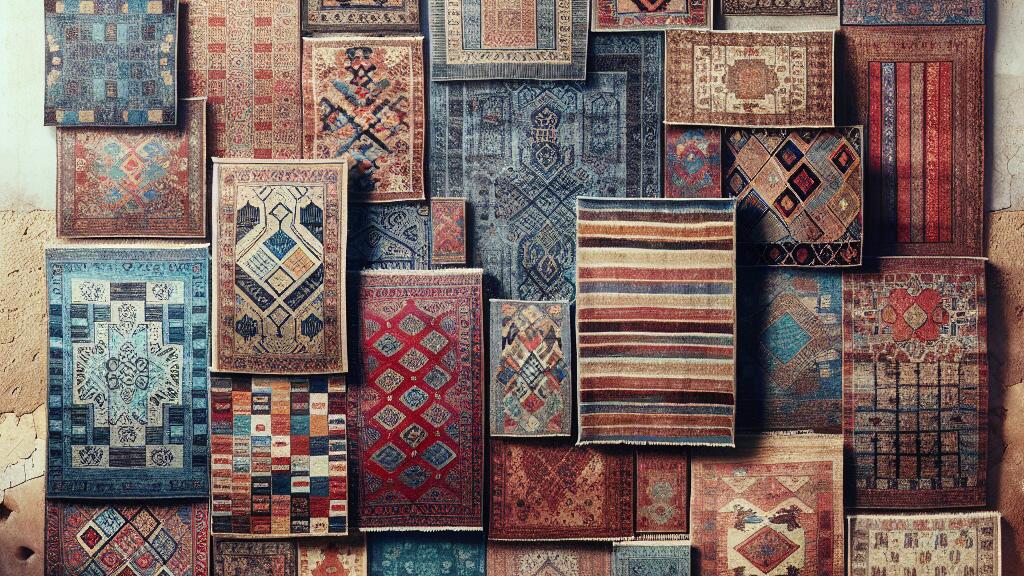
Moroccan rugs showcase a rich tapestry of patterns that reflect the cultural heritage of the region. Vintage designs often emphasize geometric shapes and earthy color palettes, rooted in Berber traditions. These patterns serve as storytelling devices, each symbol carrying historical and emotional significance. Handcrafted techniques and natural dyes contribute to their unique character, resulting in pieces that age beautifully over time.
Conversely, contemporary designs incorporate a fusion of modern aesthetics with traditional motifs. Bold colors, abstract forms, and innovative materials are increasingly favored, appealing to a broader audience that values both artistry and functionality. While contemporary rugs may draw inspiration from their vintage counterparts, they often feature a more streamlined and minimalist approach, catering to the tastes of modern interior design. This blend creates a dynamic dialogue between the past and the present, enriching the appeal of Moroccan rugs in today’s market.
View this external resource for great tips and advice.
Blending Tradition with Modern Aesthetics
Moroccan rugs have successfully transcended their traditional roots to incorporate modern design elements. This blending creates a unique aesthetic that appeals to a diverse range of tastes. Designers often take inspiration from the intricate patterns and textures of traditional Moroccan rugs while simplifying them for contemporary interiors. Bold colors and minimalist patterns emerge, catering to a clientele that appreciates both heritage and originality.
Artisans now use innovative materials alongside age-old techniques, allowing for versatility in design while maintaining cultural significance. This fusion reflects a growing trend where traditional craftsmanship meets modern sensibilities, appealing to those who seek distinctive decor with a story. By incorporating geometric shapes and neutral palettes, these contemporary interpretations invite a fresh perspective without losing their authentic Moroccan character.
Find out further details by clicking here.
Popular Techniques in Rug Making
Numerous techniques characterize the craftsmanship of Moroccan rugs, reflecting the diverse cultural influences throughout the region. One of the most traditional methods is hand-knotting, which involves tying individual knots to form intricate designs. This labor-intensive process results in durable and unique pieces, with each knot bearing the touch of skilled artisans. The use of natural materials, such as wool from local sheep and dyes sourced from plants, enhances the authenticity of the rugs, giving them vibrant colors and textures unique to Moroccan heritage.
Another noteworthy technique is the flat-weaving method known as "kilim." This approach allows for a more intricate geometric design than traditional pile rugs. Kilims are often reversible, which provides versatility in usage and aesthetic appeal. The flat-weaving process involves interlacing threads, resulting in a thin, lightweight rug that showcases bold patterns and vivid colors. The fusion of various techniques leads to a rich tapestry of styles that not only honor tradition but also adapt to contemporary tastes.
Traditional Weaving Methods Explained
Moroccan rugs are deeply rooted in the history and culture of the country, with traditional weaving methods passed down through generations. The most common technique involves hand-knotting, where artisans meticulously tie individual strands of wool onto a loom. This labor-intensive process ensures that each rug maintains a unique character and remarkable durability. Artisans often use natural dyes derived from plants and minerals, giving rugs vibrant colors while also reflecting the natural landscape of Morocco.
Another popular traditional method is flat weaving, characterized by its simplicity and versatility. This technique allows for a broad range of designs and patterns, often inspired by tribal symbols and local motifs. Flat-weaved rugs are typically lighter and more adaptable, making them ideal for contemporary interiors. Despite the variations in techniques, both hand-knotting and flat weaving share a common thread: they celebrate craftsmanship and the rich tapestry of Moroccan heritage.
Iconic Moroccan Rug Styles
Moroccan rugs are renowned for their distinctive styles, each reflecting the unique culture and history of the region. Beni Ourain rugs, characterized by their thick, soft wool and geometric patterns, feature a simple yet compelling design that integrates natural colors. On the other hand, Berber rugs showcase intricate motifs and bright hues, with each piece often telling its own story through symbols and shapes. These styles are not just decorative; they offer a glimpse into Moroccan heritage and the artistry of local craftsmanship.
Another iconic style is the Azilal rug, known for its vibrant colors and playful patterns. These rugs often feature a mix of traditional designs and modern interpretations, making them versatile for contemporary interiors. The Kilim rug, with its flat-woven technique, presents a tapestry-like appearance. It is characterized by bold, graphic patterns and is prized for its lightweight quality. Each of these rug styles contributes to the rich tapestry of Moroccan textiles, showcasing both artistic expression and practical utility in everyday life.
Distinguishing Features of Each Style
Moroccan rugs encompass a variety of styles, each with unique characteristics that reflect the region's rich heritage. The Beni Ourain rugs are particularly celebrated for their thick, plush pile and minimalist geometric designs, often showcasing a neutral color palette. In contrast, the Azilal rugs stand out with bold colors and intricate patterns, frequently featuring motifs inspired by nature or traditional Berber symbols. Each design offers a glimpse into the artisans' cultural storytelling through their craftsmanship.
The Boujaad rugs are distinctive for their vibrant hues and eclectic patterns, merging traditional Berber elements with contemporary aesthetics. These pieces often incorporate a mix of recycled textiles, adding depth and personality to each rug. On the other hand, the kilim style is characterized by flat-weaving techniques that produce flat, reversible textiles with striking patterns and colors. The vibrancy or understated elegance of each rug style enhances the emotional ambiance of a space, making them not just functional items but also significant pieces of art.
FAQS
What are the main differences between vintage and contemporary Moroccan rug patterns?
Vintage Moroccan rugs often feature traditional motifs and colors, reflecting the cultural heritage of their regions, while contemporary patterns may incorporate modern designs and color palettes to appeal to current interior design trends.
How can I blend traditional Moroccan rugs with modern home decor?
To blend traditional Moroccan rugs with modern aesthetics, choose rugs with simple patterns or neutral colors that complement contemporary furniture. Mixing textures and incorporating modern art can also enhance the overall look.
What are the popular techniques used in Moroccan rug making?
Popular techniques in Moroccan rug making include hand-weaving, knotting, and flat-weaving. Each method contributes to the unique texture and appearance of the rugs, often reflecting the regional styles they originate from.
Can you explain some traditional weaving methods used in Moroccan rugs?
Traditional weaving methods in Moroccan rugs include the Berber knot, which creates a plush texture, and the flatweave technique, used for creating lighter, more durable rugs. Each method showcases the artisan's skill and the rug's intended use.
What are the iconic styles of Moroccan rugs and their distinguishing features?
Iconic Moroccan rug styles include Beni Ourain, known for its geometric patterns and thick pile, and Azilal, which features vibrant colors and playful designs. Each style carries unique characteristics that reflect the cultural and regional influences of its origin.