Table Of Contents
Historical Significance
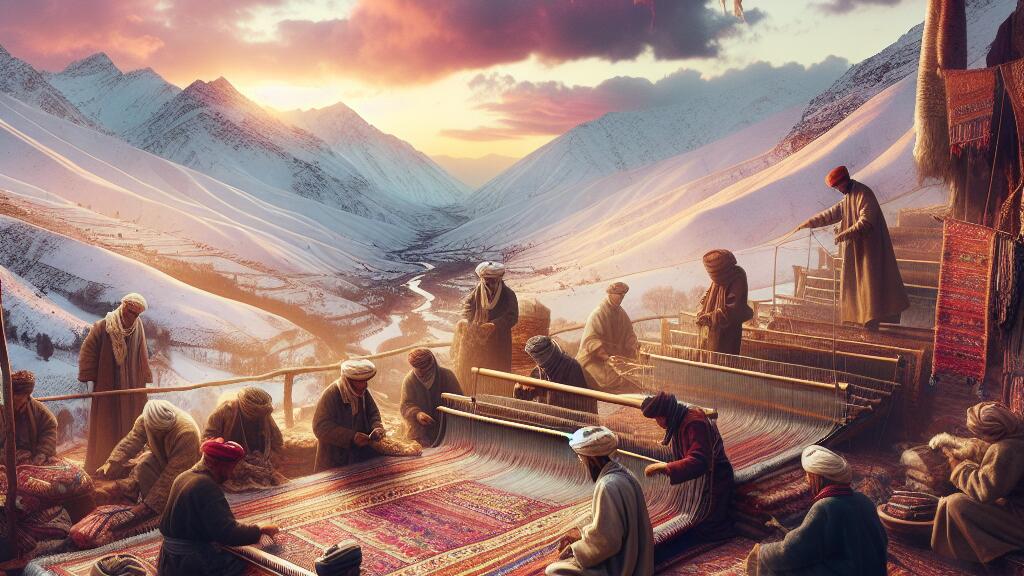
Beni Ourain rugs hold deep historical significance within Berber culture, particularly in the mountainous regions of Morocco. Originating from the Atlas Mountains, these rugs were traditionally crafted by the Berber women of the Beni Ourain tribe, serving functional and aesthetic purposes in their homes. Each rug is a testament to the skills passed down through generations, reflecting the identity and heritage of the Berber people. The motifs and designs often carry symbolic meanings related to fertility, protection, and spiritual beliefs, making them more than mere decorative items.
These rugs not only represent the artistry of the Berber culture but also play a crucial role in social and economic exchanges. Historically, they were bartered for goods or sold to provide income for families. The craftsmanship involved in creating Beni Ourain rugs has been acknowledged throughout history, contributing to the preservation of cultural practices in an evolving world. As such, these rugs are a connection to the past, encapsulating stories and lifestyles that have shaped the region's societal fabric over centuries.
Here is a great resource for anyone looking to expand on this topic.
Role in Berber Society
Beni Ourain rugs have long been an integral part of the Berber culture, serving not only as decorative pieces but also as practical tools in everyday life. Traditionally, these rugs were created by Berber women in the Atlas Mountains, using natural materials to reflect their environment. They often displayed symbols and motifs that held deep cultural significance, representing family lineage, unity, and personal beliefs. The creation of these rugs was a communal effort, fostering social ties and facilitating the transfer of skills and traditions across generations.
In addition to their artistic value, these rugs played a crucial role in the daily lives of the Berber people. They were used as bedding and insulation in the homes, emphasizing their functional nature. Hosting guests often involved spreading out a Beni Ourain rug, showcasing hospitality and warmth within the community. The rugs became a symbol of status and identity, contributing to the Berber people's pride in their heritage and craftsmanship. These elements demonstrate how Beni Ourain rugs were woven into the social fabric of Berber society, encompassing both utility and cultural expression.
Find out further details by clicking here.
Beni Ourain Rugs in the 20th Century
The 20th century marked a significant turning point for Beni Ourain rugs as their intricate designs began to captivate a broader audience beyond the borders of Morocco. These rugs, traditionally woven by the Berber tribes of the Atlas Mountains, gained recognition for their unique patterns and the craftsmanship involved in their creation. European art movements, particularly those embracing simplicity and authenticity, found inspiration in the aesthetic of these textiles. As international interest grew, many artisans adapted their weaving techniques to meet modern tastes while staying true to their cultural roots.
During this period, the demand for Beni Ourain rugs surged among interior designers and collectors across the globe. Their versatile nature allowed them to complement various decor styles, from minimalist settings to bohemian interiors. Increased accessibility through global markets meant that these rugs were no longer exclusive to their regions of origin. This shift not only contributed to the proliferation of Beni Ourain rugs in homes worldwide but also sparked a newfound pride among the Berber community as their heritage gained visibility on the international stage.
Global Recognition and Popularity
During the latter half of the 20th century, Beni Ourain rugs gained significant traction beyond Moroccan borders. Their unique designs and high-quality craftsmanship attracted the attention of interior designers and collectors worldwide. Artists and influencers showcased these rugs in various settings, highlighting their versatility and appeal. This exposure helped them transition from traditional Berber artifacts to sought-after decor elements in modern homes.
As appreciation for artisan-crafted products surged, Beni Ourain rugs became emblematic of a growing trend towards authentic and sustainable home décor. Their minimalist aesthetic resonated with design enthusiasts who valued the character and warmth these pieces could bring to contemporary spaces. The rise of social media further amplified their visibility, allowing potential buyers to discover the intricate stories behind each rug and fostering a deeper connection to their cultural significance.
Contemporary Revival
The resurgence of Beni Ourain rugs in recent years highlights a renewed appreciation for traditional craftsmanship. Designers and homeowners alike have embraced these pieces as symbols of authenticity and cultural heritage. This revival has allowed artisans to not only preserve their techniques but also adapt to contemporary aesthetics. Unique designs and earthy palettes make these rugs appealing in modern interiors, bridging the gap between tradition and contemporary decor.
With the rise of minimalism and a focus on sustainable materials, Beni Ourain rugs have found a significant place in the global market. Their versatility complements various design styles, from bohemian to mid-century modern. Online platforms have played a crucial role in promoting these rugs worldwide, enabling artisans to reach broader audiences. The modern consumer's appreciation for handmade, ethically sourced products has fueled this transformation, ensuring that Beni Ourain rugs remain relevant in today's design landscape.
Modern Interpretations and Trends
Beni Ourain rugs have evolved beyond their traditional roots, embracing contemporary design aesthetics that appeal to modern sensibilities. Designers frequently incorporate these rugs into various interior styles, blending their distinctive patterns and neutral color palettes with minimalist and bohemian themes. The soft, plush texture and geometric shapes continue to attract home decorators seeking warmth and character in their spaces, making them a popular choice for both residential and commercial environments.
As awareness of sustainable and ethically sourced products grows, Beni Ourain rugs have garnered attention for their handcrafted nature and use of natural materials. Artisans remain committed to preserving traditional crafting techniques while adapting to current design demands. This balance between heritage and innovation fosters a renewed appreciation for these pieces, positioning them as timeless investments in the evolving landscape of contemporary decor.
FAQS
What are Beni Ourain rugs?
Beni Ourain rugs are traditional handwoven carpets originating from the Beni Ourain tribe in the Atlas Mountains of Morocco, known for their unique geometric designs and soft, high-quality wool.
How did Beni Ourain rugs gain historical significance?
Beni Ourain rugs have deep roots in Berber culture, serving not only as functional items for warmth and comfort but also as symbols of status and artistic expression within the community.
What was the role of Beni Ourain rugs in Berber society?
In Berber society, Beni Ourain rugs were essential for daily living, used in homes for insulation and decoration, and often featured in significant life events, such as weddings and ceremonies, showcasing the craftsmanship of the weavers.
How did Beni Ourain rugs achieve global recognition in the 20th century?
The global recognition of Beni Ourain rugs in the 20th century can be attributed to their adoption by interior designers and fashion influencers who appreciated their aesthetic and cultural heritage, leading to a surge in demand outside of Morocco.
What are some contemporary trends in Beni Ourain rug designs?
Contemporary trends in Beni Ourain rugs include a blend of traditional motifs with modern aesthetics, often featuring minimalist designs and neutral color schemes that cater to current interior design preferences while retaining their cultural essence.